Within the attic insulation is a must.
My attic is extremely hot.
It will always be hot in the attic if it is warm outside.
Though most newer homes have extensive vapor barriers to keep living space moisture from getting into the attic leakage around recessed light fixtures and bathroom vents still allow some moisture to enter the attic.
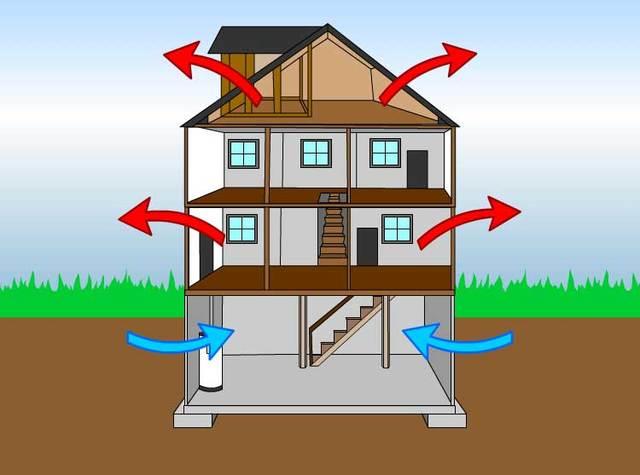
The natural air flow created by a properly vented attic will move hot air out of the home.
Roof shingles absorb a great deal of the sun s heat especially if they re dark in color.
Overcome the hot attic effect with the right home improvements even if your attic is too cold in the winter it s likely that the temperature inside your attic will still be higher than the temperature outside during summer months.
High temperatures inside your attic shorten the life span of shingles.
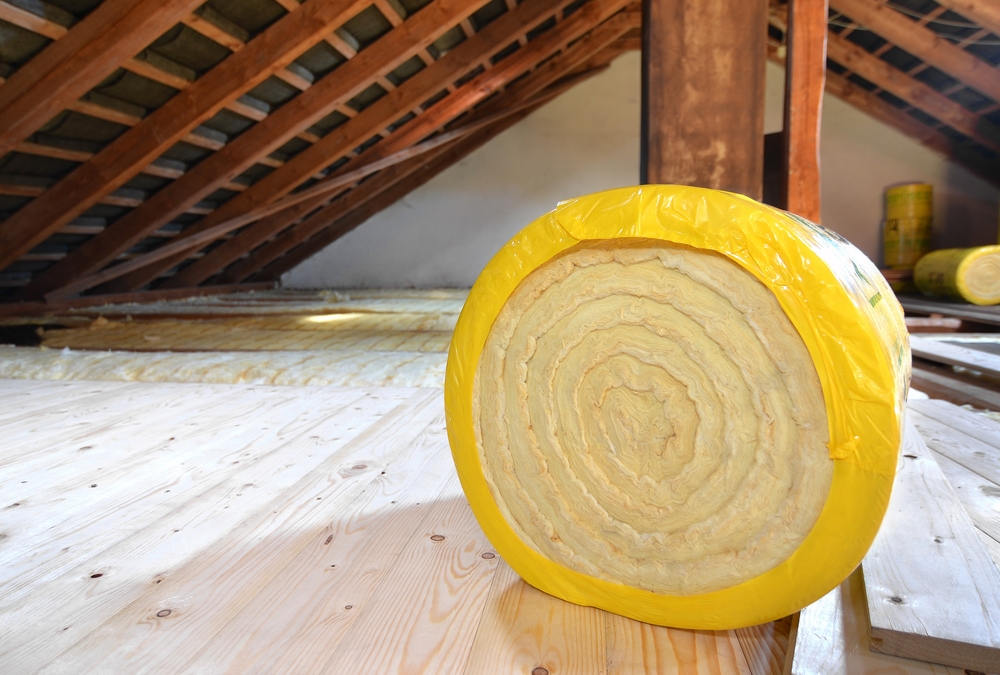
A thick insulation between 14 to 18 inches will help reduce heat from entering your home.
If you suspect your ventilation isn t doing its best to keep your attic cool talk to an expert to find out if you need an update.
Excessive heat deteriorates items you store in the attic and can cause moisture.
You can t have too much ventilation.
The attic is a huge determinant in keeping your entire home cool so the first place to start cooling your home should be the attic.
Not the overabundance but the lack of insulation in the attic.
Ventilation is important to give moisture within the attic a way to escape.
The best is soffit vents all around and a power ventilator close to the ridge pole.
It s important to remember that there are lots of different types of attic ventilation.
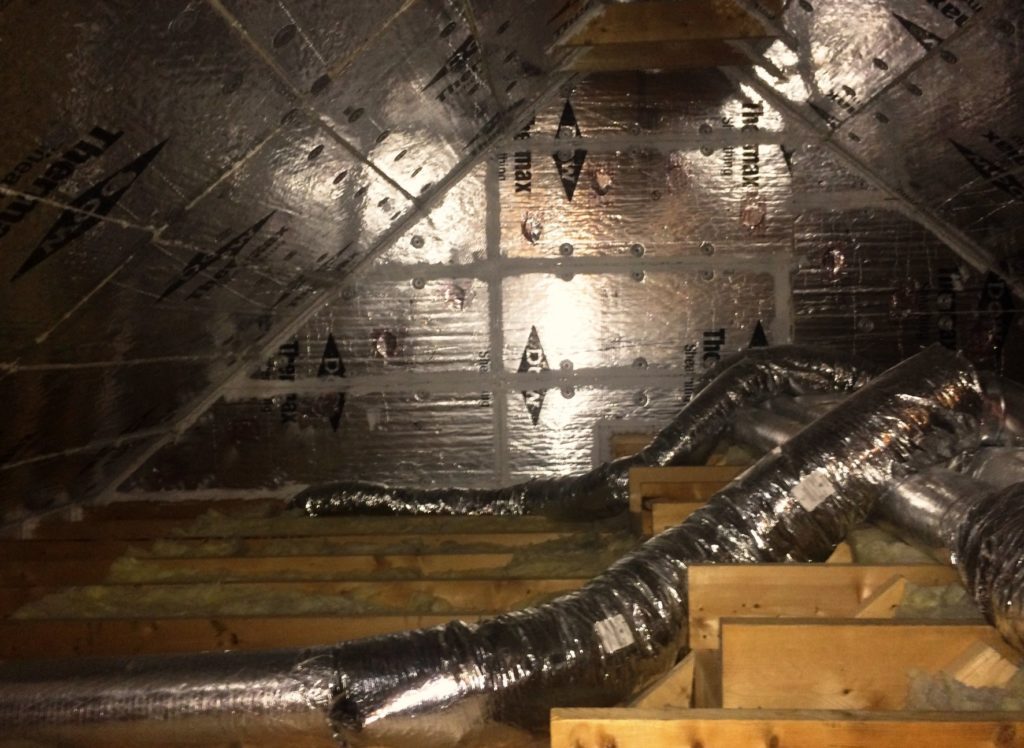
Just make sure the ceiling is airtight and fully insulated and the temperature in the attic doesn t matter much.
Another reason your attic is so hot is because of insulation.
An unventilated attic can reach 150 degrees in the heat of summer 50 degrees higher than it should be.
Whether it s 110 f or 130 f there s not much difference in the amount of heat flowing from the attic to the living space below.
And it can cause your air conditioner to work harder than it needs to and send your energy bills soaring with the temperature.
An overheated attic can bake asphalt shingles on the roof and cause them to deteriorate.