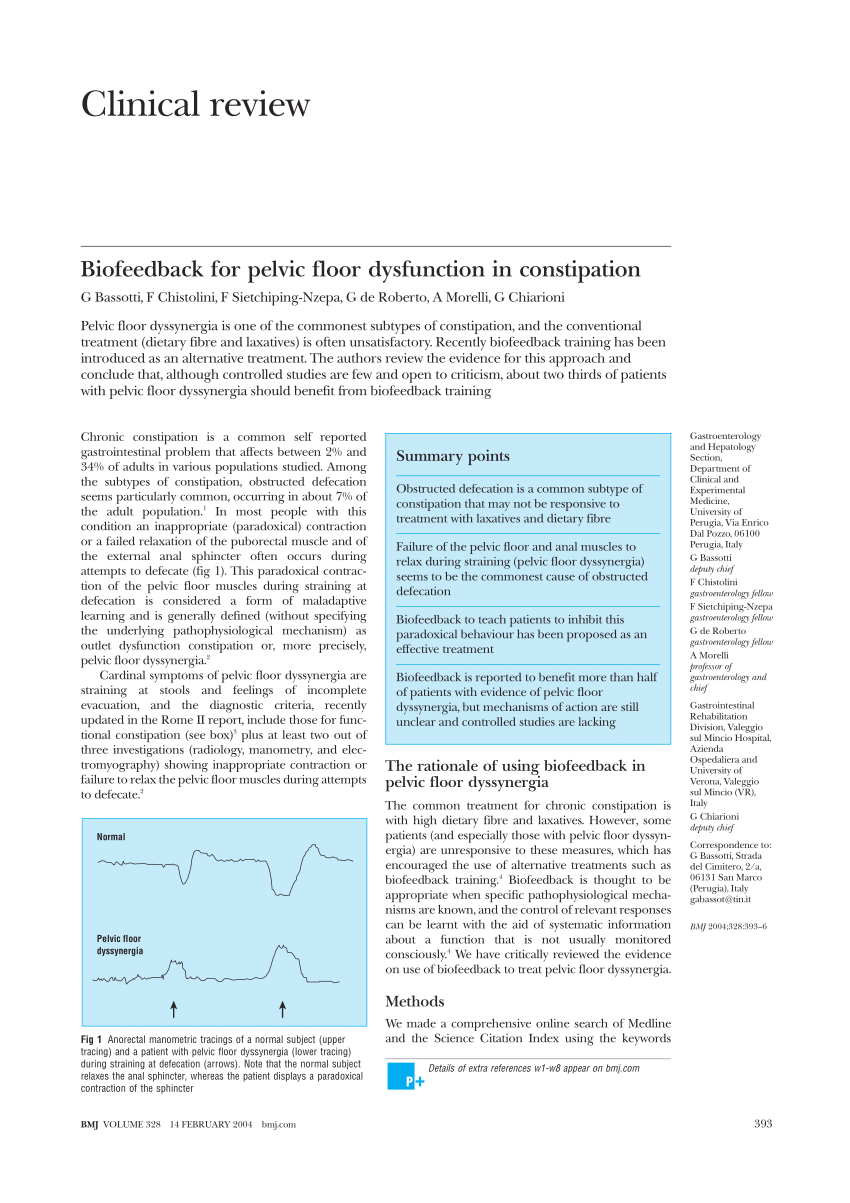
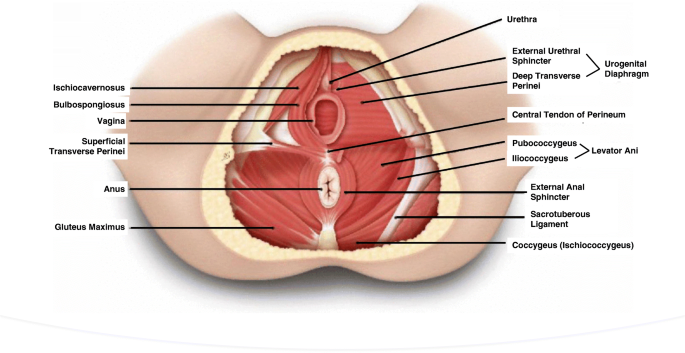
When the pelvic floor muscles are in spasm they often cannot lengthen and relax sufficiently enough to allow stool to pass.
Outlet constipation and pelvic floor dysfunction.
The following are the most common causes of outlet dysfunction constipation.
Pelvic floor dyssynergia is known by many different names including.
Research has shown that upwards of 50 of people with constipation have concurrent pelvic floor dysfunction.
Other causes of outlet dysfunction constipation.
When it comes to outlet constipation dysfunctional pelvic floor muscles are often the cause.
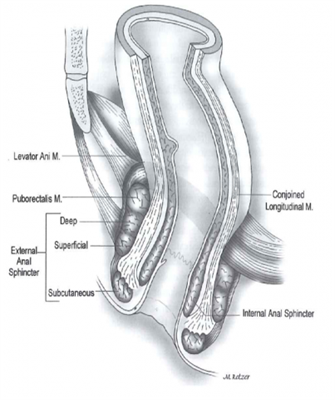
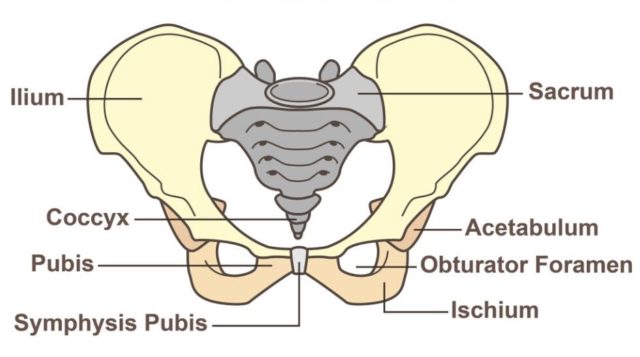
Three important organs bladder rectum and vagina exit through the pelvic floor and can be caught up in problems if these pelvic muscles do not relax when we need them to do so that is during urination defecation or sexual function.
As a pelvic floor physical therapist the first thing i offer my patients is education.
Anismus puborectalis dyssynergia paradoxical puborectalis obstructive defecation dyssynergic defecation pelvic outlet obstruction and pelvic floor dysfunction.
Watch this video on the.
If the pelvic floor muscles in the rectum are too tight and unable to relax it becomes difficult for stool to be passed.
Internal anal sphincter hypertonia.
How effective is biofeedback for constipation caused by pelvic floor dysfunction.
To put it simply the pelvic floor muscles are overactive tight or non relaxing.
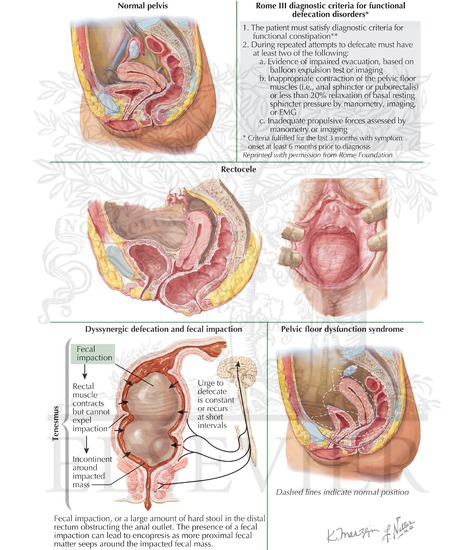
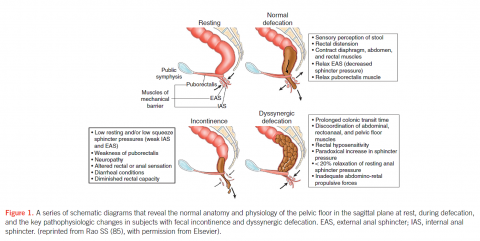
Dyssynergic defecation is a health condition with difficulty passing stool due to problems with the muscles and nerves of the pelvic floor.
Outlet constipation occurs when the stool is stuck in the rectum which is usually due to dysfunction of the pelvic floor muscles.
Straining hard or thin stools and a feeling of incomplete elimination are common signs and symptoms.
This can lead to straining during a bowel movement which causes the muscles to tighten even.
It can result in chronic constipation dyssynergic defecation is considered to be the result of pelvic floor dysfunction in that the muscles and nerves within the pelvic floor are not functioning as they should.
3 the three primary causes of constipation which are distinguished according to their pathophysiological characteristics include slow transit constipation colonoparesis defecatory disorders pelvic floor dysfunction outlet obstruction and normal transit constipation functional.
When a muscle becomes tight it becomes shortened and has too much tension when at rest this is also known as a muscle spasm.