Lung and airway infection or inflammation.
Parp inhibitor breast cancer side effects.
We spoke to dr.
Here two oncology pharmacists discuss the side effects of parp inhibitor treatment and how to prevent and treat nausea and vomiting in this patient population.
Parp is a protein found in our cells it stands for poly adp ribose polymerase.
Ursula matulonis chief of gynecologic oncology at the dana farber cancer institute to learn more about these potential side effects.
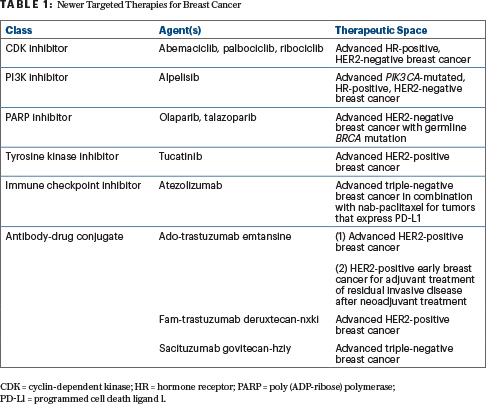
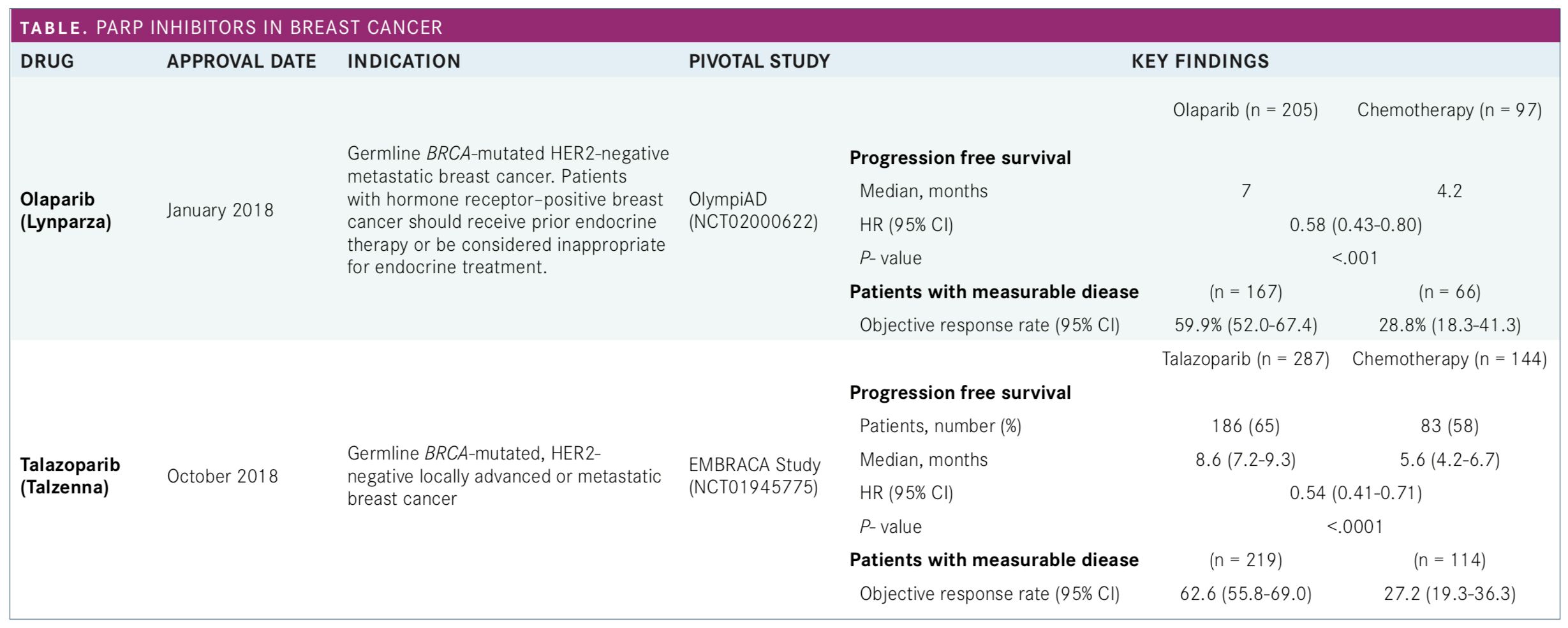
Parp inhibitors for treating breast cancer lynparza and talzenna have received fda approval for treating metastatic breast cancer caused by a brca mutation.
The most common side effects of parp inhibitors are.
Side effects requiring immediate medical attention.
Common parp inhibitor side effects.
The side effects of parp inhibitors can usually be controlled or reduced and those described here will not affect everyone.
Based on clinical trial results the national comprehensive cancer network nccn added lynparza as a preferred treatment for people with advanced breast cancer and a brca mutation.
Upper respiratory tract infection anemia decreased hemoglobin increased mcv increased serum creatinine nasopharyngitis nausea pharyngitis vomiting cough and dyspnea.
Several forms of cancer are more dependent on parp than regular cells making parp parp1 parp2 etc an attractive target for cancer therapy parp inhibitors appear to improve progression free.
Commonly reported side effects of olaparib include.
Everyone reacts differently to drugs and some people have more side effects than others.
Like any drugs parp inhibitors can cause side effects and different ones will have varying effects.
They are a treatment for some women with ovarian cancer.
It helps damaged cells to repair themselves.
And low white blood cell counts.
See below for a comprehensive list of adverse effects.
Parp inhibitors are a type of targeted cancer drug.
Parp inhibitors are a group of pharmacological inhibitors of the enzyme poly adp ribose polymerase parp.
They are also in trials as a treatment for other types of cancer.
Introduction poly adp ribose polymerase parp inhibitors are a class of oral anticancer medications that have the most evidence for use in patients with inherited germline mutations.
In general parp inhibitors cause fewer and less serious side effects than some other cancer treatments.
All parp inhibitors are swallowed as a pill and the timing and dosage of the drug varies based on which type of parp inhibitor you re prescribed.